Flying Drones in the North: Precautions for Cold, Windy, and Rainy Conditions
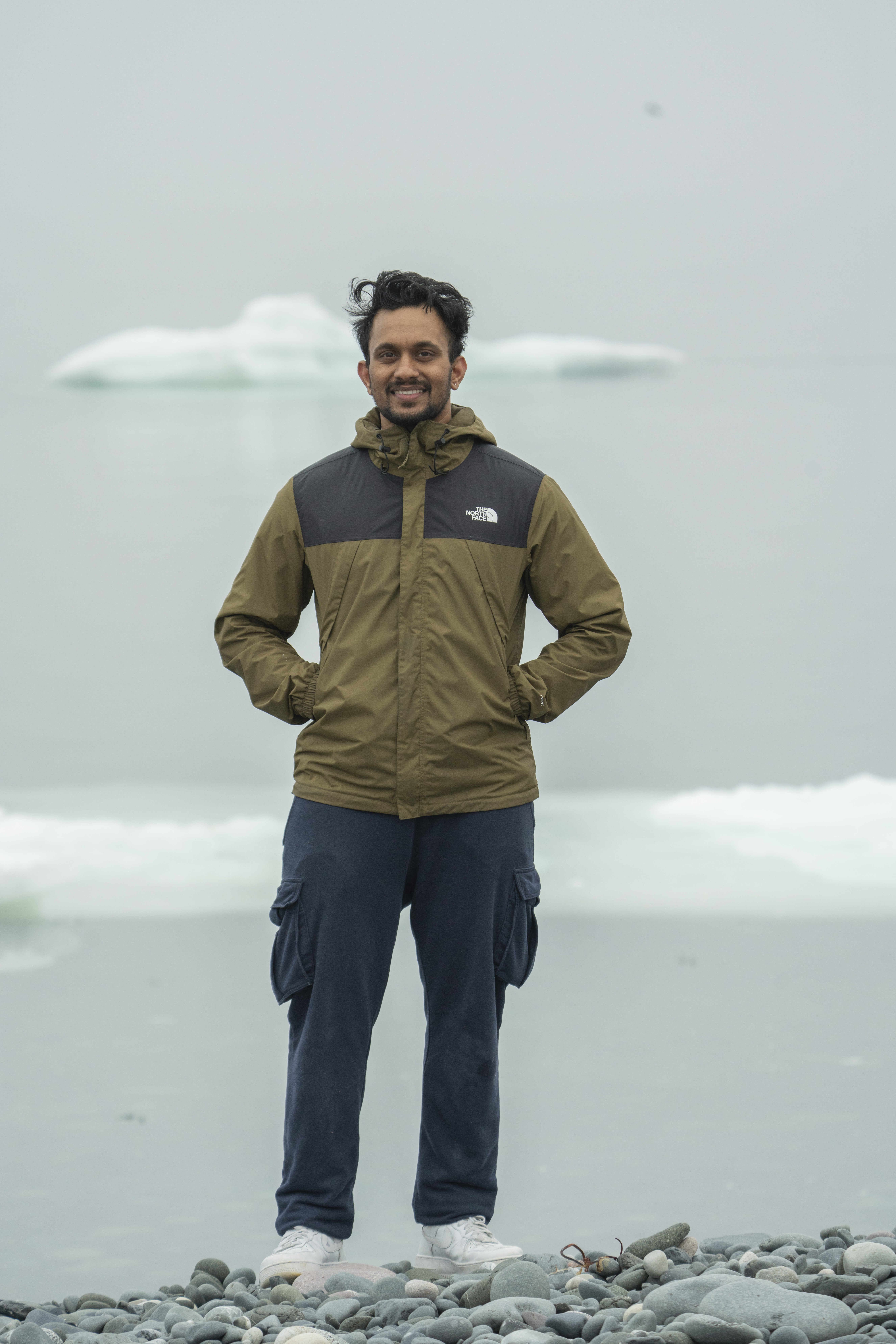
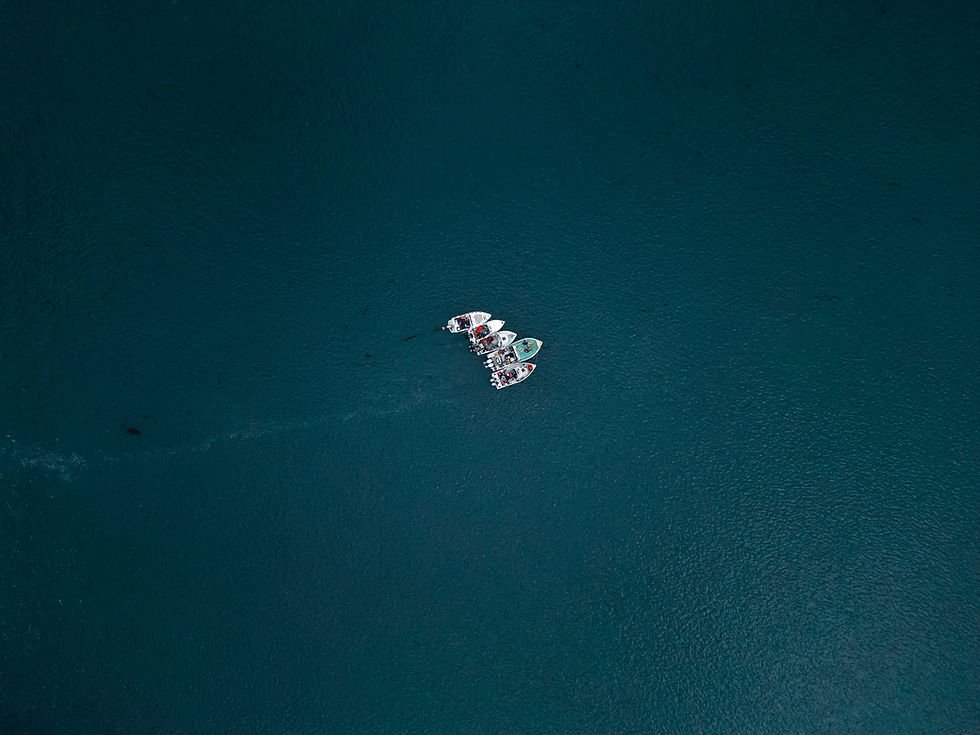
The Arctic offers some of the most spectacular aerial photography opportunities on Earth. From frozen coastlines and vast tundra landscapes to vibrant community scenes and the mesmerizing Northern Lights, drone photography can reveal perspectives that are impossible to capture from the ground. However, flying a drone in Nunavut and other northern regions comes with unique challenges that demand preparation, caution, and respect for the environment.
Over the years, I've learned that successful drone operations in the North are not just about capturing stunning footage. They're about understanding how cold, wind, moisture, and rapidly changing weather conditions can affect both your equipment and your safety.
Cold Temperatures: The Silent Drone Killer
Extreme cold is one of the biggest challenges for drone pilots in the Arctic. While many drones are designed to operate in low temperatures, battery performance can decrease significantly when exposed to freezing conditions.
Cold batteries lose voltage more quickly, which can result in shorter flight times and unexpected low-battery warnings. A battery that normally provides 30 minutes of flight may deliver considerably less when temperatures drop well below freezing.
Before every flight:
Keep batteries warm inside an inner jacket pocket.
Install the battery only when you're ready to launch.
Allow the drone to hover briefly after takeoff so the battery can warm up under load.
Never fly with batteries that are partially charged.
Monitor battery levels more frequently than you would in warmer climates.
A safe rule in winter is to land sooner than you think you need to. In the North, your margin for error should always be larger.
Respect the Wind
One of the most underestimated hazards in northern drone operations is wind. Conditions can look calm at ground level while strong gusts exist just a few hundred feet above.
Even advanced drones with excellent stabilization systems can struggle when facing sustained winds or sudden gusts. Strong winds not only affect image quality but also force motors to work harder, reducing battery life and increasing the risk of losing the aircraft.
Before flying:
Check wind forecasts and local weather conditions.
Observe blowing snow, moving clouds, and water surfaces for signs of stronger winds.
Fly into the wind during the outbound portion of your flight so the drone has an easier return journey.
Avoid pushing your drone to maximum distance in windy conditions.
Many drone incidents occur because pilots fly downwind without realizing they may not have sufficient battery power to return against the wind.
Rain, Snow, and Moisture Risks
Most consumer drones are not fully waterproof. Even light rain, wet snow, or freezing drizzle can create serious problems for electronics, motors, sensors, and camera systems.
While a few enterprise drones offer weather resistance, no drone should be considered immune to moisture.
Avoid flying when:
Rain is present.
Wet snow is falling.
Fog reduces visibility.
Drizzle or freezing precipitation is expected.
Moisture can accumulate on propellers and camera lenses, affecting both performance and image quality. In freezing conditions, ice buildup can become particularly dangerous by increasing weight and reducing aerodynamic efficiency.
If unexpected precipitation begins during a flight, land immediately and inspect the drone thoroughly before the next launch.
Watch for Rapid Weather Changes
Weather in the North can change remarkably fast. A clear sky can become overcast within minutes, and visibility can deteriorate quickly due to blowing snow, fog, or incoming storms.
Always check weather forecasts before heading out but never rely solely on them. Continuously monitor conditions while flying.
Ask yourself:
Can I still clearly see my drone?
Is visibility decreasing?
Are clouds moving in faster than expected?
Is the wind strengthening?
If the answer to any of these raises concern, it's often best to end the flight and try again another day.
Protect Your Equipment from Condensation
One challenge unique to cold-weather operations occurs after the flight has ended.
Moving a cold drone into a warm building can create condensation on sensitive electronic components. Just like a camera lens fogging up, moisture can form inside the aircraft and controller.
To minimize condensation:
Place the drone inside a sealed bag before bringing it indoors.
Allow it to slowly reach room temperature.
Remove batteries and let all components dry naturally.
Avoid charging batteries immediately after exposure to extreme cold.
Proper storage and drying procedures can significantly extend the lifespan of your equipment.
Plan for Limited Daylight
For much of the year, northern communities experience unique daylight conditions. Depending on the season, you may have either very limited daylight or nearly continuous sunlight.
When filming during winter:
Plan flights carefully around available light.
Scout locations in advance.
Carry extra lighting if operating before sunrise or after sunset.
Ensure return-to-home settings are configured correctly.
Low-light conditions make visual line-of-sight operations more challenging and require extra attention to safety.
Respect Wildlife and Communities
Drone pilots in Nunavut have a responsibility to operate respectfully around people, wildlife, and culturally significant locations.
Avoid disturbing:
Migratory birds.
Nesting areas.
Marine mammals.
Caribou and other wildlife.
Similarly, always be mindful when filming around communities and cultural sites. Building relationships and seeking permission when appropriate helps ensure responsible storytelling and respectful documentation of life in the North.
Always Have a Flight Plan
The best drone operators rarely fly spontaneously. Every flight should begin with a plan.
Before takeoff, identify:
The intended flight path.
Potential obstacles.
Emergency landing zones.
Wind direction.
Battery limitations.
Weather risks.
A few minutes of preparation can prevent costly mistakes and lost equipment.
Final Thoughts
Flying a drone in the Arctic can produce some of the most breathtaking imagery imaginable, but northern conditions demand patience, preparation, and caution. Cold temperatures drain batteries, strong winds challenge flight stability, and moisture can quickly damage equipment. Understanding these risks and adapting your workflow accordingly will help ensure safer flights and better footage.
As drone pilots and visual storytellers, our goal isn't simply to get the shot. It's to return safely, protect our equipment, respect the environment, and continue sharing the beauty of the North from perspectives few people ever have the chance to experience.
In the Arctic, preparation is not optional. The better prepared you are, the more freedom you'll have to focus on capturing the incredible stories and landscapes that make Nunavut truly unforgettable.


Comments