Life in the Arctic: More Than Ice and Snow
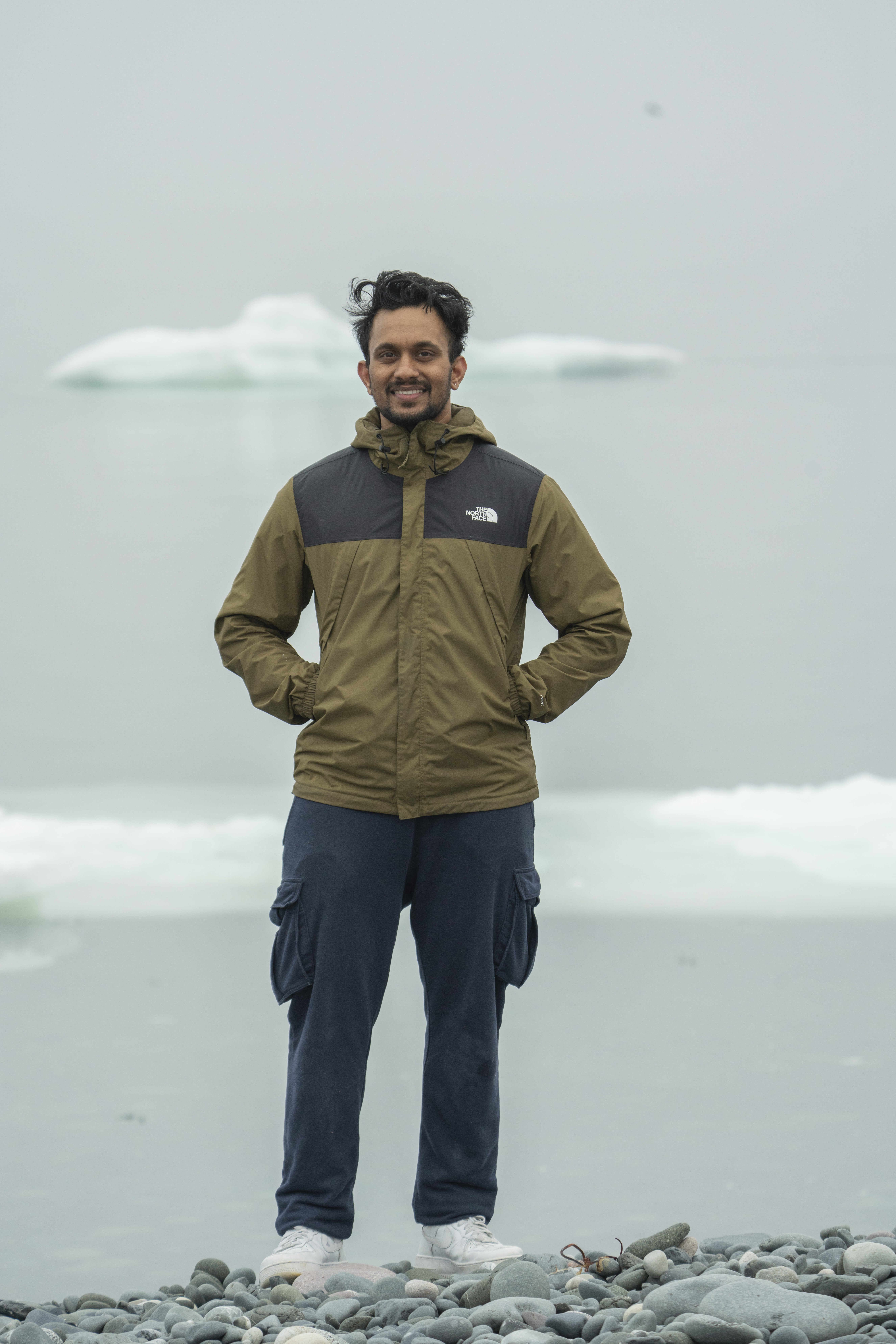
When people hear the word Arctic, they often picture endless snow, polar bears, and freezing temperatures. While those images are certainly part of the North, they tell only a small part of the story.
Living in Nunavut has shown me that the Arctic is not just a place—it's a way of life. It is a land where nature dictates the rhythm of every season, where communities depend on one another, and where the outdoors is not simply a destination for recreation but an extension of everyday life.
Whether you've never been north of the tree line or have always wondered what daily life is really like, here's a glimpse into what makes the Canadian Arctic unlike anywhere else in the world.

A Climate That Demands Respect
The Arctic experiences some of the most extreme weather in Canada. During winter, temperatures can regularly fall below -30°C, with wind chills reaching -50°C or colder. On particularly harsh days, the air can freeze exposed skin within minutes.
Yet, those same winters also bring breathtaking sights. Long nights are often illuminated by the Northern Lights dancing across the sky, while the crisp air creates some of the clearest star-filled nights you'll ever experience.
Summer is a completely different world. Temperatures often range between 5°C and 15°C, with occasional warmer days. Around June and July, daylight lasts nearly 24 hours, giving residents endless evenings for fishing, hiking, camping, or simply enjoying time outside.
The Arctic teaches you to appreciate every season because each one offers something unique.
Groceries: Everything Has to Travel
One of the first things newcomers notice is the cost of food.
Unlike southern Canada, there are no highways connecting Nunavut communities. Nearly everything must arrive either by airplane or by an annual cargo ship known as the sealift.
Because transportation is expensive, grocery prices are significantly higher than what many Canadians are used to paying.
A few examples include:
Fresh fruit and vegetables can cost several times more than in southern cities.
Milk, eggs, and dairy products are considerably more expensive.
Building materials, furniture, and household appliances often include substantial shipping costs.
Residents quickly learn to plan ahead, buy in bulk when possible, and make the most of the sealift season by ordering larger household items months in advance.

Sealift: The Arctic's Annual Supply Chain
If there is one event that shapes the Arctic calendar, it is the arrival of the sealift.
During the short ice-free season, cargo ships deliver thousands of tonnes of supplies to communities across Nunavut. Everything from vehicles and construction materials to groceries, fuel tanks, boats, ATVs, and furniture arrives during these few precious weeks.
Many families prepare months in advance, placing orders for items they know they will need throughout the year.
When the ship arrives, it's more than just a delivery—it's a reminder of how connected the community is to the changing seasons.
Flying Is Part of Everyday Life
Without roads connecting communities, flying becomes a normal part of life.
Airlines such as Canadian North provide passenger travel, groceries, medical transportation, mail, and urgent cargo throughout the territory.
For many residents, boarding an airplane is as routine as driving to another town is for someone living in southern Canada.
Weather, however, always has the final say. Snowstorms, fog, strong winds, or poor visibility can delay flights for hours—or even days. Patience becomes an important life skill.
Roads That End at the Community
One of the biggest surprises for visitors is that there are no highways connecting Nunavut communities.
Roads exist within each community, but if you want to travel beyond town, you'll likely need:
A boat
An ATV (quad)
A snowmobile (often called a Ski-Doo)
An airplane
The land itself becomes the highway.
During winter, frozen rivers, lakes, and sea ice create seasonal travel routes. During summer, boats become essential for reaching camps, fishing areas, and hunting grounds.

The Land Is Part of Daily Life
For many people living in Nunavut, going out on the land is far more than recreation.
It is where traditions are passed from one generation to the next.
Hunting remains an important part of Inuit culture and provides country food that supports families throughout the year. Depending on the season and region, hunters may harvest seal, caribou, Arctic char, ptarmigan, or other wildlife following local regulations and sustainable practices.
Fishing is another important tradition. Arctic char is especially valued—not only for its taste but for its cultural significance and nutritional value.
Many families spend weekends or holidays at cabins and camps, teaching younger generations the knowledge needed to live safely on the land.
Berry Picking: One of Summer's Hidden Treasures
Summer in the Arctic is short, but incredibly vibrant.
As the tundra comes alive, berries begin to ripen across the landscape.
Cloudberries, blueberries, crowberries, and cranberries can often be found growing naturally across the tundra. Families spend hours walking through the hills collecting berries that are later enjoyed fresh or used in jams, desserts, and traditional recipes.
It's one of the simplest yet most rewarding summer activities.
Hiking Beyond the Roads
One of my favourite parts of living in Nunavut is how quickly you can leave town behind.
Within minutes, you're surrounded by vast open landscapes with no traffic, no crowds, and no city noise.
Hiking here is unlike anywhere else in Canada. The terrain may be rocky and challenging, but every climb rewards you with incredible views of mountains, fjords, glaciers, rivers, or the Arctic Ocean.
Wildlife sightings are common, and every trail feels like an adventure.
Boating Across the Arctic Waters
When the sea ice melts, boats become one of the most important ways to explore.
People use boats for:
Fishing
Hunting
Visiting cabins
Exploring islands
Camping
Family outings
The Arctic coastline is spectacular, filled with towering cliffs, floating icebergs, and wildlife that can include seals, whales, seabirds, and occasionally polar bears from a safe distance.
Every trip demands careful planning because weather conditions can change quickly.

Quads and Ski-Doos: Arctic Transportation
In many southern cities, people own cars.
In the Arctic, many people also own ATVs and snowmobiles because they are practical tools for everyday life.
During summer, quads are used to access trails, hunting areas, fishing spots, and cabins.
During winter, Ski-Doos become one of the fastest and most reliable ways to travel across snow-covered landscapes.
For many residents, these vehicles are essential, not recreational luxuries.

A Community Unlike Anywhere Else
Perhaps the most remarkable part of Arctic life isn't the landscape—it's the people.
Communities are close-knit.
Neighbours know one another.
People help when someone is in need.
Traditional knowledge exists alongside modern life, creating a unique balance between the past and the present.
Living here teaches patience, resilience, and respect—for nature, for weather, and for community.

Why the Arctic Changes You
The Arctic has a way of slowing you down.
You begin paying attention to the weather before making plans. You celebrate the return of the sun after the long polar night. You appreciate fresh food, clear skies, and quiet moments on the land.
It is a place that challenges you, but it also rewards you with experiences that are difficult to find anywhere else.
The Arctic is not defined by cold weather or isolation.
It is defined by its people, its culture, and an extraordinary relationship with the land that has endured for thousands of years.
Once you've experienced it, you begin to understand why so many who come north never truly leave it behind.


Comments